Darknet Markets 2026:
The dark web is part of the deep web but is built on darknets: overlay networks that sit on the internet but which can't be accessed without special tools or software like Tor. Tor is an anonymizing software tool that stands for The Onion Router — you can use the Tor network via Tor Browser.
| Darknet Market | Established | Total Listings | Link |
|---|---|---|---|
| TorZon Market | 2022 | 140+ | Onion Link |
| Nexus Market | 2024 | 600+ | Onion Link |
| Abacus Market | 2022 | 100+ | Onion Link |
| Ares | 2026 | 100+ | Onion Link |
| Cocorico | 2023 | 110+ | Onion Link |
Updated 2026-07-28
Safe and Easy Shopping on the Darknet
The evolution of darknet commerce in 2025 is defined by a foundational shift towards inherent safety and operational simplicity. This environment facilitates secure transactions by integrating advanced cryptographic protocols directly into market architecture, making sophisticated privacy tools a default standard rather than an optional add-on. The shopping experience is streamlined through interfaces that prioritize intuitive design, reducing technical barriers for users while maintaining rigorous security postures.
Trust is systematically engineered into the system via granular vendor reputation mechanisms. These systems move beyond simple feedback scores to provide multidimensional trust metrics, analyzing transaction history, dispute resolution rates, and product consistency. This allows buyers to make informed decisions based on comprehensive, verifiable data. The integration of decentralized escrow services further mitigates risk by automating fund release upon confirmed fulfillment, removing the need for blind trust in a central authority.
The combined effect of these technological advancements creates a marketplace framework where security is seamless. Users engage in trade within a protected ecosystem that handles complex encryption and verification processes in the background. This results in a platform where conducting business is both straightforward for the user and resilient against external threats, establishing a new benchmark for reliable and accessible digital commerce.
How Post-Quantum Encryption Makes Darknet Trade Safer
The evolution of darknet markets in 2025 is defined by a proactive approach to cryptographic security. The primary innovation is the adoption of post-quantum encryption algorithms, which are designed to be secure against the potential future threat of quantum computers. This represents a significant upgrade from the classical RSA or Elliptic-Curve cryptography used in the past. Market administrators now implement these algorithms for all critical communications, including private messaging between buyers and vendors and the encryption of sensitive transaction details.
This technological shift directly enhances safety for users. By future-proofing the platforms now, they ensure that today's transactions remain confidential and inaccessible even in a future where quantum computing becomes commercially viable for code-breaking. The implementation is often seamless for the end-user, operating within the market's user-friendly interface. The result is a more resilient environment where participants can engage in trade with greater long-term confidence in the privacy of their activities. The security model no longer just reacts to current threats but anticipates and neutralizes next-generation risks, establishing a more durable foundation for all economic activity on the platform.
How Decentralized Escrow Makes Darknet Trade Safer
The evolution of darknet commerce in 2025 is defined by the widespread adoption of decentralized escrow systems. These systems operate on smart contracts and distributed ledger technology, removing the need for a central market administrator to hold funds. This architectural shift directly addresses the historical risk of exit scams, where a centralized market would vanish with user coins. Transactions now follow a predictable, automated sequence: funds are locked in a smart contract, the vendor ships the product, and upon finalization by the buyer, the contract executes payment. This process establishes a trustless environment where the integrity of the trade is enforced by code rather than the reputation of a single entity.
For the consumer, this translates to a safer and more straightforward shopping experience. The technical complexity is abstracted away by intuitive interfaces, allowing users to engage with confidence. The system's design inherently promotes vendor accountability. Since payment is conditional on successful delivery, reputable vendors are incentivized to maintain high standards of product quality and shipping reliability to ensure timely fund release. This creates a positive feedback loop where established vendors with proven track records thrive, naturally elevating the overall quality and safety of the marketplace ecosystem. The economic activity becomes more stable as trust is systematically engineered into every transaction.

A Wide Selection of Quality Goods on the Darknet
The evolution of darknet markets by 2025 has directly addressed historical concerns about product quality and vendor reliability. A diverse and reliable product ecosystem is now the standard, built on transparent vendor histories and community-driven verification. Shoppers can access a wide range of consistently high-quality items, from pharmaceuticals to digital goods, with detailed descriptions and batch-specific test results often available. This shift transforms the procurement process into a predictable and secure commercial activity.
Vendor stability is a cornerstone of this new environment. Long-standing sellers maintain their status through granular reputation systems that track every transaction, not just a simple score. Dispute rates, shipping consistency, and communication responsiveness are all quantified. New vendors enter the market through tiered probationary periods, building trust incrementally. This structure ensures that the most prominent listings belong to entities with a proven, multi-year track record of satisfactory service, effectively minimizing the risk of fraud.
The mechanism ensuring this safety is the decentralized escrow and mandatory multisignature protocols. Funds are not released until the buyer confirms receipt and quality, with automated systems triggering refunds for unfulfilled orders. This technical framework enforces fair play without requiring blind trust. Consequently, participants can engage in commerce with a high degree of confidence, focusing on the logistical and qualitative aspects of the trade rather than its fundamental security.
Better Ratings for Safer Darknet Shopping
The evolution of vendor reputation systems is a primary factor in the safety and simplicity of darknet shopping in 2025. Modern platforms have moved beyond a simple five-star rating to implement granular, multi-dimensional feedback. This allows buyers to evaluate a vendor based on specific, critical metrics rather than a single, often misleading, average score.
Typical systems now break down feedback into distinct categories:
- Product quality accuracy versus advertisement
- Consistency of stealth and shipping methods
- Speed and clarity of communication
- Reliability of delivery timelines
Each transaction generates data across these vectors, building a comprehensive and tamper-resistant profile. A vendor with a high overall score but poor marks in stealth would be immediately flagged, allowing for informed risk assessment. This data-driven approach minimizes uncertainty and fosters a market where trusted vendors are easily identifiable and rewarded with greater business. The system's transparency directly reduces fraud, as consistent issues in any single category become a permanent part of a vendor's record, compelling high operational standards.
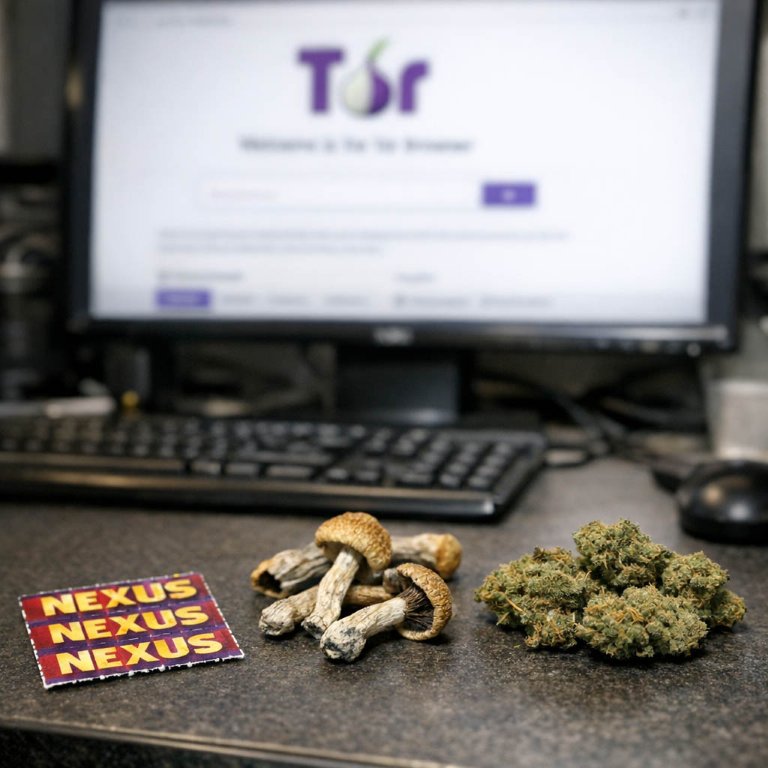
Easy Shopping on the Darknet
The evolution of darknet market interfaces by 2025 has directly addressed the primary barriers to entry, transforming the user experience into one that rivals mainstream e-commerce platforms. This shift is not merely cosmetic; it is a fundamental component of establishing a safe and simple trading environment. The design philosophy centers on intuitive navigation, where product discovery, vendor evaluation, and transaction processes are streamlined into a cohesive workflow.
Advanced search functionalities now incorporate multi-layered filters, allowing buyers to sort by substance, purity level verified by community-funded testing, vendor reputation score, and geographical logistics. Product listings are comprehensive, featuring standardized high-resolution images, detailed specifications, and transparent historical data on batch consistency. The checkout process is a seamless integration of security and convenience, with decentralized escrow and post-quantum encrypted messaging systems built directly into the transaction flow, requiring minimal user configuration.
This interface sophistication works in tandem with robust reputation systems. Each vendor profile displays a granular trust metric, aggregating transaction success rates, shipping reliability, and communication responsiveness. Dispute resolution modules are accessible directly from the order page, providing a structured, evidence-based platform for mediation that protects both parties. The cumulative effect of these design choices is a reduction in operational friction and human error, which are historically significant security risks. The market software itself guides the user toward trusted vendors and secure practices, embedding better security into the very fabric of the shopping experience. Consequently, the act of procurement becomes a more predictable and controlled activity, governed by data and automated safeguards rather than uncertainty.
How the Darknet Built a Smooth and Reliable Economy
The maturation of darknet commerce in 2025 is directly linked to the establishment of a stable and efficient economic environment. This stability is not accidental but is engineered through sophisticated market mechanisms that prioritize reliability and user experience. The cornerstone of this system is the decentralized escrow, which automates the release of funds only upon successful delivery confirmation, eliminating the historical risk of exit scams and building foundational trust between all parties.
This trust is further quantified and made transparent through granular vendor reputation systems. These systems move beyond simple ratings to provide detailed metrics on shipping speed, product purity, and communication responsiveness. A vendor's history is permanently and immutably recorded, allowing buyers to make informed decisions based on extensive transaction data. This creates a powerful economic incentive for vendors to maintain consistently high standards, as their livelihood depends on their verifiable reputation.
The resulting ecosystem fosters remarkable efficiency. Buyers can confidently select from a diverse product ecosystem knowing that transactions are secured by post-quantum encryption and that counterparty risk is minimized. This security and predictability encourage consistent economic activity, smoothing out volatility and creating a self-regulating marketplace. Stable vendor shops operate with the predictability of legitimate e-commerce, offering standardized products, reliable shipping timelines, and professional customer service. The entire process, from browsing a user-friendly market interface to finalizing a deal, is streamlined, making darknet shopping in 2025 a model of secure and simple transactional efficiency.