Darknet Markets 2026:
The dark web is part of the deep web but is built on darknets: overlay networks that sit on the internet but which can't be accessed without special tools or software like Tor. Tor is an anonymizing software tool that stands for The Onion Router — you can use the Tor network via Tor Browser.
| Darknet Market | Established | Total Listings | Link |
|---|---|---|---|
| TorZon Market | 2022 | 140+ | Onion Link |
| Nexus Market | 2024 | 600+ | Onion Link |
| Abacus Market | 2022 | 100+ | Onion Link |
| Ares | 2026 | 100+ | Onion Link |
| Cocorico | 2023 | 110+ | Onion Link |
Updated 2026-07-28
How URLs Make Buying on the Darknet Safe and Easy
Finding a working darknet market URL is the first and most critical step for any transaction. These URLs, typically .onion addresses, function as the gateway. Due to frequent DDoS attacks and voluntary rotations by administrators for operational security, these addresses change regularly. A URL that worked yesterday may be inaccessible today, making the process of finding a current link a routine part of user engagement.
Users rely on specialized darknet forums and link directories to obtain fresh URLs. These community hubs serve as real-time verification platforms. When a user posts a new market link, others quickly confirm its functionality and, crucially, warn against phishing sites. This collective verification is a foundational security practice. A trusted vendor will often list their official PGP key on multiple forums, allowing buyers to cryptographically verify that the market they are accessing is legitimate and not a clone designed to steal credentials.
The relationship between a reliable URL and a trusted vendor is symbiotic. Once access is secured through a verified link, the buyer's focus shifts to vendor selection. Vendor trust is built through a transparent system of user feedback and transaction history. Markets display detailed vendor profiles featuring:
- Overall rating and number of completed sales
- Detailed buyer reviews describing product quality and shipping
- Dispute resolution history and policy adherence
This data allows for informed decision-making. A vendor with a long history of positive feedback and a high number of finalized transactions presents a lower risk. The escrow system further secures the transaction by holding the buyer's cryptocurrency until the product is received and confirmed. Only then is the funds release authorized, protecting both parties from fraud.
Therefore, the process is cyclical: a verified URL provides access to the platform where vendor reputation systems and escrow enable secure purchasing. The market's reliability depends on this infrastructure, where community intelligence on link validity and transactional safeguards work in concert to facilitate commerce.
How Reviews Make Buying on the Darknet Safer
Finding a working darknet market URL is only the first step; the true foundation for secure purchasing is built on user feedback systems. These platforms operate without traditional legal safeguards, making community-driven verification the primary mechanism for establishing vendor reliability. A vendor's reputation is quantified through detailed rating systems, where buyers leave scores and written evaluations on product quality, shipping speed, and stealth of packaging.
The feedback is persistent and public, creating a transparent record. A vendor with hundreds of positive reviews across multiple transactions demonstrates consistency. This history allows new users to assess risk accurately. Conversely, a pattern of negative feedback regarding non-delivery or product misrepresentation serves as an immediate warning. Forums further augment this system, providing a space for extended discussion and verification that a trusted vendor is operating under a specific market URL, linking vendor identity to a currently active site.
This ecosystem creates a self-regulating environment. Vendors are economically incentivized to maintain high standards to accumulate positive feedback, which directly translates into more sales. The process transforms a simple product listing into a credible service. Therefore, the most effective method for secure purchasing involves cross-referencing a working URL with the accumulated feedback for a specific vendor on that platform, ensuring both the market's operation and the seller's integrity are confirmed.
How Escrow Makes Darknet Trading Safe and Easy
The escrow system is a fundamental component for secure purchasing on darknet markets. It functions as a neutral third-party service that holds the buyer's cryptocurrency payment until the transaction is satisfactorily completed. This mechanism directly addresses the inherent trust deficit in anonymous environments, enabling commerce by protecting both parties.
For the buyer, escrow guarantees that funds are only released after the product is received and verified. The vendor is assured that payment is secured and waiting, which incentivizes reliable shipping and customer service. A typical transaction follows a clear sequence:
- The buyer selects a product and sends payment to the market's escrow wallet.
- The system notifies the vendor that funds are secured, prompting shipment.
- Upon delivery, the buyer finalizes the order, releasing escrow funds to the vendor.
Disputes are managed through the market's internal resolution system, where moderators review communication and evidence before deciding to release funds or issue a refund. This process reduces exit scams and selective scamming, where a vendor takes payment but never ships the product. The consistent use of escrow by trusted vendors builds their reputation, as positive feedback from finalized transactions increases their visibility and credibility on the platform. Therefore, finding a working darknet market URL is primarily about accessing a platform with a robust and actively maintained escrow service, as this feature is the core infrastructure that makes secure, repeatable transactions possible.

How URL Rotation Keeps the Darknet Open for Business
The operational continuity of a darknet market is fundamentally dependent on the accessibility of its entry points. URL rotation is the primary technical mechanism that maintains this availability against external pressures. A single, static web address is a critical vulnerability; its seizure or denial-of-service attack would render the entire platform inaccessible. Rotation mitigates this by employing a dynamic set of mirror links, often distributed through forums and dedicated link lists.
The process functions as a distributed defense. Administrators generate new onion URLs and propagate them through trusted channels before older ones are compromised. This creates a moving target, ensuring that if one gateway is blocked, several alternatives remain functional. The reliability of this system is directly proportional to the efficiency of its information dissemination networks, such as community forums and review sites, where users share and verify the latest working links.
For the user, this translates to a consistent service experience. Successful purchasing requires first locating a verified current URL. This is typically achieved by consulting multiple, reputation-based sources. The subsequent steps rely on this stable access:
- Evaluating vendor profiles and accumulated feedback scores to establish trust.
- Utilizing the platform's escrow system to secure the transaction, which holds payment until order completion.
- Engaging in secure communication, often using PGP encryption, to finalize order details.
How Forums Help You Find Real Darknet Links and Trusted Sellers
Community forums like Dread act as the primary verification layer for darknet market URLs and vendor reputations. These platforms aggregate user reports in real-time, creating a dynamic and crowdsourced security system. When a market rotates its primary address to mitigate DDoS attacks or blockades, its administrators post the new verified official link on these forums. Users then confirm the link's functionality and absence of phishing elements, creating a consensus before the URL is widely adopted.
The process for verifying a vendor follows a similar collaborative model. A prospective buyer examines dedicated vendor review threads, where past transactions are documented. Key metrics include:
- Shipping reliability and stealth ratings.
- Product quality consistency as described.
- Communication promptness and professionalism.
- The vendor's overall on-time delivery score.
This transparent feedback loop transforms forums into a critical trust infrastructure. A vendor with a long-standing forum presence and hundreds of positive reviews presents a lower risk profile. Conversely, reports of scams or exit scams are immediately highlighted, protecting the community. The system's effectiveness relies on active participation; each review contributes to the collective security, enabling safer procurement of goods by ensuring both the market gateway and the seller are legitimate.
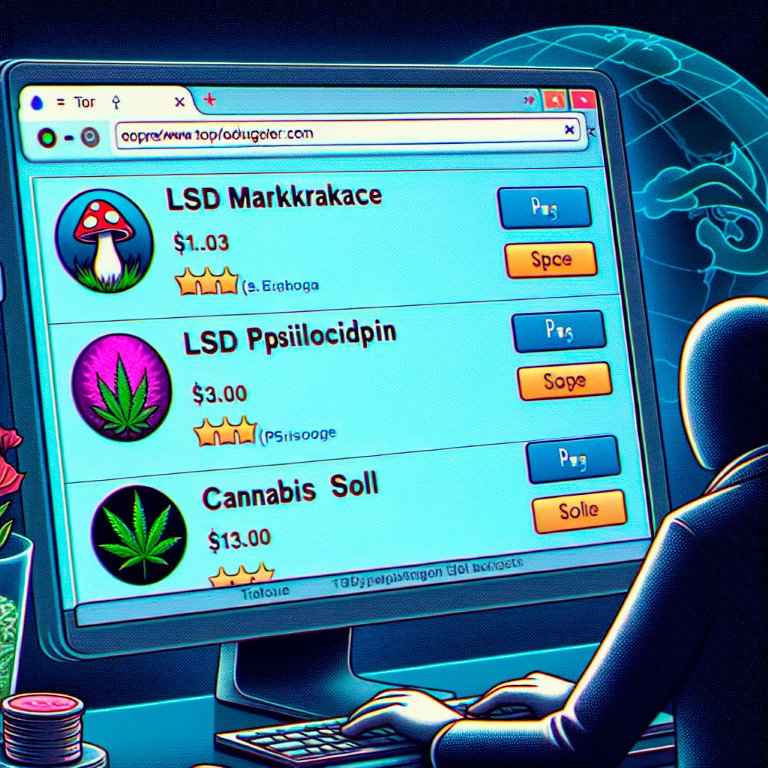
How Darknet Markets Build Trust for Smooth Shopping
The reliability of a darknet market is a direct function of its ability to provide stable access and facilitate secure transactions. This reliability is engineered through interconnected systems that address the two primary user concerns: finding a working entry point and engaging with trustworthy sellers. The process begins with URL rotation, a technical measure where markets operate multiple mirror addresses. When one domain is seized or becomes unstable, users can migrate to another, ensuring the platform remains accessible. This creates a persistent digital presence despite external pressures.
To verify which of the many circulating links are legitimate, users rely on community forums and review boards. These independent platforms act as a collective verification system. Members share and vet URLs, warning others of phishing attempts. This decentralized verification prevents users from landing on fraudulent copies designed to steal credentials or funds.
Once access is secured, the internal systems of the market build transactional reliability. The cornerstone is the escrow service. This system holds a buyer's payment in a secure third-party account within the market until the product is received and confirmed. It protects buyers from vendors who might not ship items and protects vendors from fraudulent chargebacks. The escrow mechanism enforces a basic contract of trust.
This trust is further quantified and reinforced by the user feedback and rating system. Every transaction can result in a detailed review and a numeric score for the vendor. Consistent high ratings and positive reviews signal a vendor's reliability regarding product quality, stealth in shipping, and communication. New users can thus make informed decisions, and vendors are economically incentivized to maintain high standards to attract more business. The system is self-policing through community input.
The synergy of these componentsrotating URLs for access, forums for link verification, escrow for financial safety, and feedback for vendor reputationcreates a robust environment. It transforms a potentially chaotic anonymous space into a structured marketplace. Users can navigate with a degree of confidence, knowing that the systems in place are designed to mitigate risk and promote successful, repeatable transactions for all parties involved.