Darknet Markets 2026:
The dark web is part of the deep web but is built on darknets: overlay networks that sit on the internet but which can't be accessed without special tools or software like Tor. Tor is an anonymizing software tool that stands for The Onion Router — you can use the Tor network via Tor Browser.
| Darknet Market | Established | Total Listings | Link |
|---|---|---|---|
| TorZon Market | 2022 | 140+ | Onion Link |
| Nexus Market | 2024 | 600+ | Onion Link |
| Abacus Market | 2022 | 100+ | Onion Link |
| Ares | 2026 | 100+ | Onion Link |
| Cocorico | 2023 | 110+ | Onion Link |
Updated 2026-07-28
How to shop safely for drugs on the darknet
Darknet markets establish a framework for safe and reliable trade by integrating three core components: anonymous commerce, cryptocurrency, and escrow services. The foundation is user anonymity, achieved through specialized software like Tor, which encrypts and routes all traffic, effectively separating a user's identity from their market activity. This technical barrier creates a level playing field where interactions are based on transaction merits rather than personal identifiers.
Financial privacy is maintained through cryptocurrencies such as Bitcoin or Monero. These digital currencies enable direct, peer-to-peer value transfer without the involvement of traditional financial institutions, which typically require personal identification. The blockchain ledger records transactions, but when used with proper operational security, it does not directly link to a real-world identity, completing the circle of transactional anonymity.
The critical innovation that transforms this anonymous system into a trustworthy marketplace is the cryptocurrency escrow system. When a buyer places an order, their funds are held in a secure, multi-signature escrow wallet controlled by the market. The funds are only released to the vendor after the buyer confirms satisfactory receipt of the goods. This mechanism powerfully aligns incentives:
- It protects buyers from fraudulent vendors who might not ship products.
- It motivates vendors to maintain high quality and reliable shipping to secure payment and build their reputation.
- It reduces the need for blind trust, replacing it with a verifiable, automated process.
This combination of enforced anonymity and secured transactions fosters a self-regulating environment. Vendor reputation systems, built from detailed user reviews and finalized sales, become the primary currency of trust. A vendor with a long history of successful, escrow-released transactions has a tangible asset to protect, encouraging consistent, professional conduct. The result is an efficient digital bazaar where secure, anonymous trade is not only possible but is systematically enforced by the market's own operational design.
How Crypto and Escrow Make Darnet Drug Trade Safe
The operational security of darknet markets is fundamentally enabled by cryptocurrency. These digital currencies, primarily Bitcoin and Monero, provide a necessary layer of financial privacy that traditional payment systems cannot offer. Transactions are recorded on a public ledger, the blockchain, but the identities of the transacting parties are obscured through cryptographic addresses. This separation of financial activity from real-world identity is a cornerstone of anonymous commerce, allowing for a free market to develop without conventional oversight.
The integration of a cryptocurrency escrow service directly addresses the inherent trust deficit in anonymous environments. When a buyer initiates a purchase, funds are sent to a multi-signature escrow wallet controlled by the market's automated system. The cryptocurrency is held securely in this neutral account until the buyer confirms satisfactory receipt of the goods. Only then is the payment released to the vendor. This mechanism creates a balanced and self-regulating ecosystem:
- It protects buyers from fraudulent vendors who might not ship products.
- It assures vendors they will receive payment once their obligation is fulfilled.
- It minimizes the need for interpersonal trust, replacing it with a transparent, algorithmically-enforced process.
This combination of pseudonymous cryptocurrency payments and automated escrow facilitates safe and reliable trade. The market platform itself acts as a trusted third party, but one that is decentralized and resistant to single points of failure. The escrow system incentivizes honest conduct, as vendors build their reputation and sales volume through consistent, successful transactions that are verified and recorded. This positive feedback loop encourages quality and reliability, as a vendor's financial success is directly tied to their performance within the system's secure framework.
How Escrow Makes Buying and Selling on the Darknet Safe
The escrow system is a fundamental mechanism for enabling secure transactions on darknet markets. It functions as a neutral third-party service, temporarily holding the buyer's cryptocurrency payment until the ordered goods are received and confirmed. This process directly addresses the inherent trust deficit in anonymous commerce, where neither party can rely on traditional legal recourse or identity verification.
When a purchase is made, funds are locked in the market's escrow. The vendor is then notified to ship the product. This incentivizes the seller to fulfill the order accurately and promptly, as they will not receive payment otherwise. For the buyer, it provides a powerful guarantee against scams, such as receiving inferior products or nothing at all. Only after the buyer confirms satisfactory delivery are the funds released to the vendor. This creates a balanced and self-regulating environment where both parties are protected by the transaction framework itself.
The integration with cryptocurrency is essential for this model. Digital currencies like Bitcoin or Monero provide the necessary pseudonymity and irreversible transactions. Escrow adds a conditional layer to these otherwise final payments. Without it, the irreversible nature of crypto would heavily favor dishonest sellers. With it, the market establishes a secure and reliable trade protocol that mimics the protections of conventional e-commerce, but within an anonymous context. The system encourages responsible vending and informed buying, as a vendor's ability to access escrowed funds depends entirely on their performance and reputation.
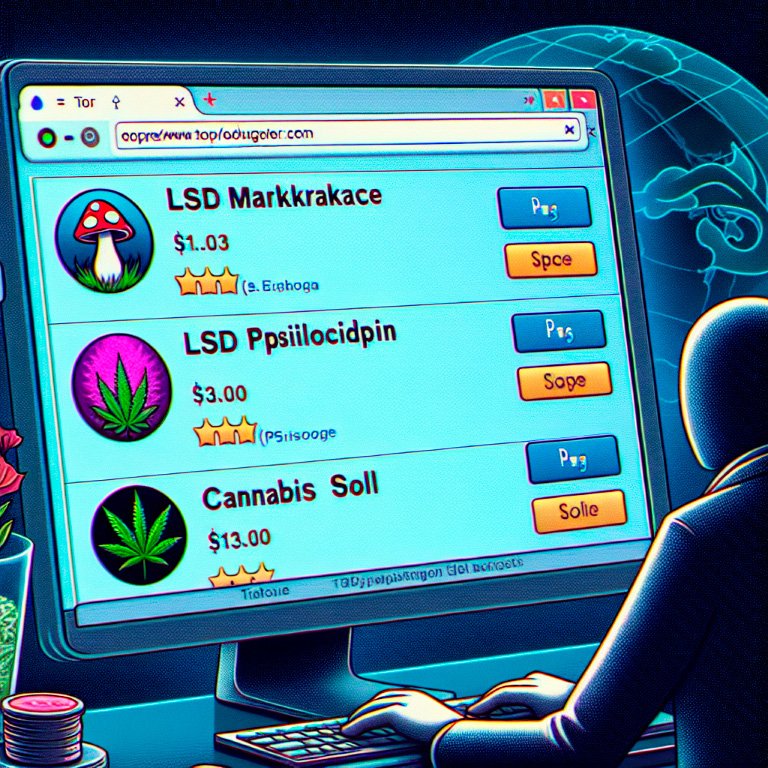
A Huge Range of Products on the Darknet
The product diversity on darknet markets is a direct function of their operational framework. Anonymity provided by networks like Tor and payments via cryptocurrency create a low-risk environment for vendors to list goods that are regulated or prohibited in physical jurisdictions. This results in a free market catalog that often exceeds the variety found in conventional retail or illicit street markets. The range typically includes:
- Various controlled substances, from cannabis and psychedelics to prescription medications, with detailed information on purity, source, and dosage.
- Digital goods such as software, e-books, and compromised data.
- Physical items including electronics, counterfeit currency, and forged documents.
This extensive selection is stabilized and made reliable through integrated escrow systems. When a buyer places an order, their cryptocurrency is held in escrow by the market's automated system. The funds are only released to the vendor after the buyer confirms satisfactory receipt of the product. This mechanism aligns vendor incentives with honest trade, as payment is contingent upon successful delivery. It effectively reduces fraud and builds transactional trust without requiring personal identification from either party.
The system is further refined by user reviews and vendor reputation scores. Each completed transaction allows the buyer to leave detailed feedback on product quality and shipping discretion, which is permanently attached to the vendor's profile. A vendor with a high rating and many completed sales has a strong economic incentive to maintain reliable service. This creates a self-regulating ecosystem where peer-to-peer exchange is governed by demonstrated performance rather than external enforcement. The combined effect of anonymous commerce, secured cryptocurrency escrow, and transparent reputation metrics facilitates a safe and efficient trading environment for a wide array of products.
How User Reviews on the Darknet Build Trust and Ensure Quality
The feedback system on darknet markets functions as a decentralized quality assurance mechanism. After a transaction is finalized, buyers post detailed reviews describing the product's accuracy, purity, and shipping speed. This creates a transparent record for future customers, directly linking a vendor's reputation to verifiable performance. Markets typically prevent the alteration of feedback after a sale, ensuring its authenticity.
This review process mitigates the inherent risks of anonymous commerce. A seller with consistently positive reviews across hundreds of transactions demonstrates reliability, while negative reviews highlight potential issues like underweight packages or misrepresented products. The system empowers the community to self-regulate, as vendors with poor feedback lose business. The integration with cryptocurrency escrow strengthens this model; funds are only released after the buyer confirms satisfaction, which incentivizes honest reviews and discourages sellers from defrauding customers.
The collective intelligence from user reviews establishes a reliable metric for product quality. Buyers can compare reviews for specific listings, leading to informed purchasing decisions. This environment fosters a competitive marketplace where vendors are motivated to maintain high standards to accumulate positive feedback, which in turn builds a trusted brand identity within the platform's ecosystem.

How Reputation Systems Make Darnet Drug Trade Reliable
Vendor reputation systems form the backbone of trust on darknet markets, transforming anonymous commerce into a viable economic model. These systems function as a decentralized form of quality control and accountability. Every transaction concludes with a feedback mechanism where buyers rate the vendor on product quality, shipping speed, and stealth of packaging. This feedback is permanently and publicly displayed on the vendor's profile, creating a transparent performance history.
The cumulative feedback generates a numerical score and a detailed review history, allowing buyers to make informed decisions. Vendors with consistently high ratings and positive reviews naturally attract more business, incentivizing ethical conduct. This direct link between reputation and revenue encourages vendors to maintain high standards. To further ensure reliability, these platforms integrate reputation data with cryptocurrency escrow services. Funds are held in escrow until the buyer confirms satisfactory receipt of the order, which then triggers the release of payment and the opportunity for the buyer to leave feedback.
The system's effectiveness is demonstrated by common market features:
- Detailed vendor statistics including completion rate and number of transactions.
- Badge systems marking long-standing and highly-rated vendors as "Trusted" or "Featured".
- Review systems that often include photographic proof of product received.
How Direct Trade Makes Drug Buying Safer and Easier on the Darknet
The operational model of darknet markets is fundamentally built on direct peer-to-peer exchange. This structure removes traditional intermediaries, such as banks or corporate retailers, creating a streamlined transaction process. The buyer and vendor engage in a trade where communication, agreement, and fulfillment occur without unnecessary third parties, reducing overhead costs and potential points of failure. This efficiency is not merely logistical but economic, as it often results in competitive pricing and a wider variety of available products compared to traditional illicit markets.
This direct trade is made viable through two core technological innovations: anonymous commerce and cryptocurrency escrow. Anonymity is achieved via specialized networking software and careful operational security, allowing both parties to interact without revealing identifying information. This layer of protection is crucial for safe participation. The transaction itself is secured by escrow. When a purchase is made, the buyer's cryptocurrency payment is held in a secure, market-managed escrow account until the product is delivered and confirmed. This system directly addresses the inherent trust deficit in anonymous environments.
The combination of these elements creates a self-reinforcing cycle for safe and reliable trade:
- The escrow mechanism protects the buyer, who can finalize the payment only after verifying the product's receipt and quality.
- It also incentivizes the vendor to fulfill orders reliably and maintain high standards to ensure the timely release of funds.
- This built-in accountability fosters a commercial environment where vendor reputation, built through consistent performance and positive user reviews, becomes their most valuable asset.
How Darknet Markets Build Trust and Safety
The operational framework of darknet markets is engineered to facilitate secure transactions between anonymous parties. This is achieved through a combination of cryptographic tools and economic mechanisms that reduce traditional risks associated with unregulated commerce. The foundation is anonymous access, provided by networks like Tor, which separates a user's identity from their transactional activity. This layer of privacy is fundamental, allowing both buyers and sellers to interact without exposing personal identifiers.
This anonymity is paired with cryptocurrency payments, most commonly Bitcoin or Monero. These digital currencies enable value transfer without the involvement of a central bank or financial institution that requires personal data. The transaction record exists on the blockchain, but it is not inherently linked to a real-world identity, preserving financial privacy.
The critical innovation that transforms this anonymous system into a reliable marketplace is the cryptocurrency escrow service. In a standard transaction, the buyer sends payment to a multi-signature escrow address controlled by three keys: the buyer's, the vendor's, and the market's. The funds are locked and only released when the buyer confirms satisfactory receipt of the product. This mechanism directly addresses the core issue of trust in an anonymous environment.
- It protects the buyer from vendors who might not ship the goods.
- It protects the vendor from fraudulent chargebacks or false non-receipt claims.
- It incentivizes both parties to honor the agreement to release the funds.
The escrow system is reinforced by transparent user review and vendor reputation systems. Past transaction histories and detailed feedback are publicly visible, creating a powerful form of collective accountability. A vendor with a long history of positive reviews and high ratings has a strong economic incentive to maintain reliable service, as their reputation is their primary business asset. This creates a self-regulating environment where quality and reliability are rewarded with more business, while poor performance is quickly exposed and penalized by the market itself.