Darknet Markets 2026:
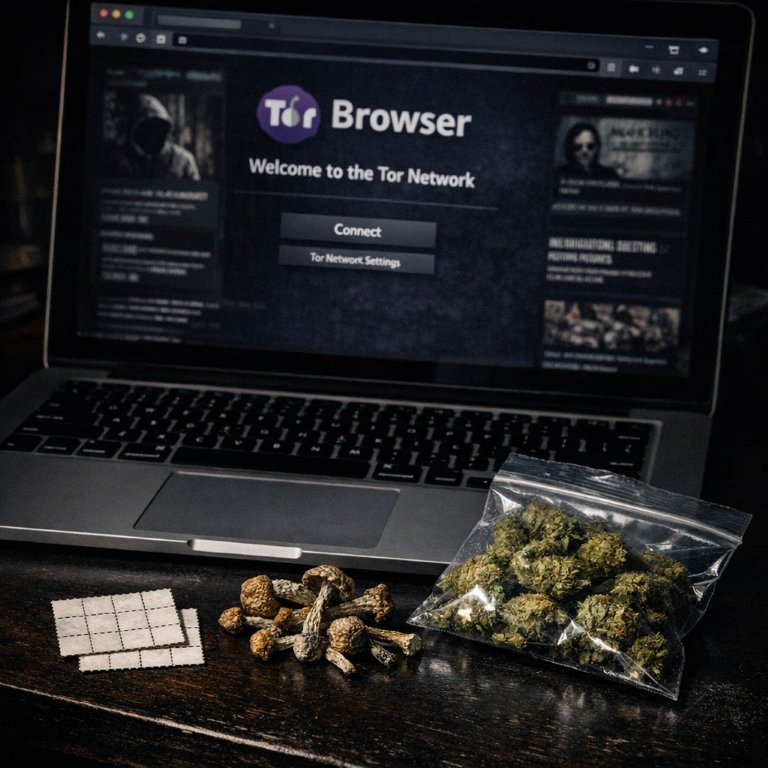
The dark web is part of the deep web but is built on darknets: overlay networks that sit on the internet but which can't be accessed without special tools or software like Tor. Tor is an anonymizing software tool that stands for The Onion Router — you can use the Tor network via Tor Browser.
| Darknet Market | Established | Total Listings | Link |
|---|---|---|---|
| TorZon Market | 2022 | 140+ | Onion Link |
| Nexus Market | 2024 | 600+ | Onion Link |
| Abacus Market | 2022 | 100+ | Onion Link |
| Ares | 2026 | 100+ | Onion Link |
| Cocorico | 2023 | 110+ | Onion Link |
Updated 2026-07-28
How a darknet link opens a private shop for drugs
A darknet market link is a specific web address that provides direct access to a cryptocurrency-based e-commerce platform operating on encrypted networks. These links function as gateways to a specialized online ecosystem designed for secure and private trade. Unlike standard websites, a darknet market is accessible only through anonymizing software like Tor, which masks the user's location and identity.
The structure of these markets mirrors that of conventional online retail, featuring product listings, shopping carts, and vendor profiles. The core distinction lies in the integration of privacy-enhancing technologies at every stage. Transactions are conducted using cryptocurrencies such as Bitcoin or Monero, which provide a layer of financial privacy. This combination of network and payment encryption creates a foundation for a trading environment where participants can engage in commerce with reduced exposure.
Accessing a market requires a current and valid link, as these addresses frequently change for security purposes. The link itself is a critical component, representing a constantly updated point of entry to a dynamic marketplace built on principles of autonomous trade and transactional discretion.
How Crypto and Encryption Keep Darnet Drug Trades Secure
The security of transactions on a darknet market is built on two fundamental technologies: cryptocurrency and encryption. Cryptocurrencies like Bitcoin and Monero enable financial transactions without the need for traditional banking systems. This provides a layer of financial privacy, as transactions are recorded on a public ledger but are not directly tied to the real-world identities of the users. The decentralized nature of cryptocurrency makes it a practical tool for this environment.
Encryption protects every other aspect of the interaction. When you access a market, your connection is secured with SSL/TLS encryption, the same technology used by online banks. This creates a private tunnel for your data, preventing outsiders from seeing your activity. All communications between buyers and vendors are also encrypted, ensuring that order details and shipping information remain confidential.
The combination works in a clear sequence:
1. A user accesses the market via a secure, encrypted link.
2. Funds are placed in a market-controlled escrow system using cryptocurrency.
3. All messages regarding the order are encrypted end-to-end.
4. Upon completion, the cryptocurrency is released from escrow to the vendor.
This model removes the need for personal trust between strangers. The escrow system, powered by irreversible crypto payments, ensures the vendor will be paid only upon delivery, while the buyer's funds are protected until they are satisfied. Encryption guarantees that the details of the trade are known only to the involved parties, making the process discreet and reducing operational risks for both sides.
Easy and Secure Shopping on the Darknet
The interface of a modern darknet market is designed for clarity and efficiency. Navigation mirrors that of conventional e-commerce platforms, with products organized into intuitive categories and a search function that delivers precise results. The shopping cart and checkout process are streamlined, requiring only the selection of a vendor, the desired quantity, and the input of a shipping address. This familiar structure reduces the learning curve for new users and standardizes the purchasing procedure.
Cryptocurrency payments are integrated directly into this flow. Upon checkout, the system generates a unique wallet address and a precise amount to be sent, often with a countdown timer for the transaction's validity. The escrow system is a central feature, automatically holding the buyer's funds until order completion. This mechanism removes the need for direct, risky transfers between parties and formalizes the transaction within the market's framework.
User-centric features enhance reliability. A comprehensive feedback and rating system allows buyers to post detailed reviews and scores on product quality and vendor service. This creates a transparent record of performance. Vendor profiles display this aggregated data alongside statistics on completed orders, enabling informed decision-making. Direct, encrypted messaging between buyer and seller facilitates communication for order specifics or issues, all within the secured environment.
The cumulative effect of these design choices is a retail environment that prioritizes operational security and transactional certainty. The market's architecture manages risk through technological solutions like escrow and encryption, while social systems like feedback foster accountability. This combination results in a platform where commercial exchange can proceed with a calculated degree of confidence, driven by verifiable data and automated safeguards.

How Vendor Ratings Make Buying Drugs on the Darknet Safer
The vendor rating system is a foundational element for establishing a reliable darknet marketplace. It functions as a decentralized and automated form of quality control, directly translating user experience into a measurable reputation score. This system replaces the need for traditional brand advertising with a transparent record of past transactions.
Each completed order allows a buyer to leave detailed feedback on several critical factors: the accuracy of the product description, the stealth and quality of packaging, the speed of shipping, and the clarity of communication. This feedback is aggregated into a public profile for the vendor, typically featuring a numerical score and a percentage of positive reviews. A vendor with a 4.95/5 rating and 98 positive feedback over thousands of sales provides a statistically significant indicator of consistent performance.
The mechanism builds trust by creating direct accountability. Vendors are economically incentivized to maintain high standards, as their rating directly influences future sales. New buyers can make informed decisions by analyzing this historical data, effectively crowdsourcing risk assessment. The system also includes structured review sections where buyers can post specific comments, which further clarifies the context behind the numerical score, such as noting exceptional stealth or commenting on product purity.
This transparent feedback loop ensures that reliable vendors are easily identifiable and rewarded with more business, while dishonest or unreliable sellers are quickly marginalized by poor ratings. It transforms the marketplace from an anonymous bazaar into a self-regulating ecosystem where reputation is the primary currency.
How Escrow Makes Darknet Trading Safe and Fair
Escrow is the fundamental mechanism that ensures transactional security and builds trust between buyers and vendors on a darknet market. It functions as a neutral third-party holding service for cryptocurrency payments. When a buyer places an order, the funds are locked in the market's escrow system and are not immediately released to the vendor. This creates a secure environment where both parties can fulfill their obligations without the risk of direct fraud.
The process follows a clear sequence. The buyer sends payment to escrow, which the vendor sees as a confirmed order prompting shipment. Only after the buyer receives the product and confirms its satisfactory arrival does the escrow release the funds to the vendor. This system directly addresses the inherent lack of legal recourse by incentivizing honest conduct. For the buyer, it eliminates the risk of paying for goods that are never shipped. For the vendor, it guarantees payment once their part of the agreement is verifiably completed, protecting against fraudulent chargebacks.
The escrow model effectively mitigates the primary risks in anonymous commerce:
- It prevents vendor exit scams, where a seller collects payments but never dispatches orders.
- It discourages the sale of substandard or misrepresented products, as buyers will not finalize payment for inferior items.
- It standardizes a dispute resolution process. If issues arise, both parties can present evidence to market moderators, who then adjudicate and direct the escrowed funds accordingly.
This financial safeguard is the cornerstone of a reliable marketplace. It transforms a potentially risky anonymous transaction into a structured exchange with clear accountability, allowing the market's other features like vendor ratings and community feedback to function within a secure framework.

A Huge Selection of Goods on the Darknet
The product catalog on a modern darknet market is extensive, moving far beyond common assumptions. While substances for recreational and therapeutic use form a significant segment, the variety is broader. This includes pharmaceuticals, digital goods such as software and guides, and various other items. The availability is a direct function of the market's operational model, which facilitates direct peer-to-peer exchange.
The system is structured around vendor shops, each specializing in specific product categories. A user can efficiently navigate between shops offering different items, from botanicals and synthetic compounds to prescription medications and digital services. This specialization allows vendors to develop expertise, ensuring product consistency and quality control, which is reflected in their detailed listings and customer feedback.
The range available provides clear consumer benefits. It enables price comparison across different vendors for similar products, fostering competitive pricing. More importantly, it allows access to specific items that may be unavailable or prohibitively expensive through conventional channels, particularly certain pharmaceuticals. The feedback and escrow systems are integral to managing this diversity, as they provide the necessary mechanisms for establishing trust and safety in transactions for all product types, regardless of their nature.
How User Reviews Build Trust on the Darknet
The community feedback system is a foundational element for maintaining integrity on a darknet market. It functions as a continuous, transparent audit of every vendor and transaction. After completing a purchase, buyers leave detailed reviews and ratings on the product quality, shipping speed, and communication. This creates a self-regulating environment where reputation is the primary currency.
Vendors with consistently positive feedback are easily identifiable, as their high ratings and number of completed sales are publicly displayed. This direct accountability incentivizes reliable service and accurate product descriptions. Conversely, a pattern of negative reviews alerts the community to potential issues, effectively marginalizing dishonest actors. The system extends beyond simple star ratings; written reviews often include specifics about stealth packaging and overall experience, providing nuanced data for informed decision-making.
The collective intelligence generated by thousands of transactions establishes a credible knowledge base. New users can analyze a vendor's history over time, observing how they have responded to past challenges. This reduces uncertainty and builds a framework of trust that is peer-verified and independent of any central authority. The feedback loop ensures market dynamics are driven by demonstrated performance rather than promises.
How Darknet Markets Build Trust for Smooth Trade
The combination of features on a modern darknet market functions as an integrated system that establishes a stable and predictable trading environment. This reliability is not accidental but is engineered through specific, user-driven mechanisms.
The foundation is cryptographic security and anonymous cryptocurrency payments. These technologies create a base layer where personal identities are separated from financial transactions and communications. This allows participants to engage without the fear of personal exposure, which is a prerequisite for any form of open commerce in this context.
On this secure base, the vendor rating system and community feedback create a transparent reputation framework. Every transaction contributes to a vendor's public score, and detailed reviews provide evidence of product quality and service. This system mirrors the feedback mechanisms of conventional e-commerce, applying peer pressure and accountability to encourage honest business practices.
The escrow service acts as the critical enforcement mechanism for this trust. By holding the buyer's cryptocurrency in a secure third-party account until the product is received and confirmed, it removes the risk of fraud for the buyer. Simultaneously, it guarantees payment for the vendor upon successful completion, provided they uphold their part of the agreement. This eliminates the fundamental dilemma of who should send their asset first.
These elements are bound together by a user-friendly interface that standardizes the shopping experience. A clear layout, search functions, and straightforward purchase processes reduce operational errors and make the system accessible. This normalization of procedure further enhances reliability by making interactions consistent and predictable.
Consequently, a reliable darknet marketplace emerges from this synergy:
Security protocols enable anonymous participation.
Reputation systems incentivize and record trustworthy behavior.
Escrow services technically enforce contractual agreements.
An intuitive interface ensures these tools are usable.
The result is a self-regulating commercial platform where the risks inherent to anonymous trade are systematically mitigated by design, fostering an environment where consistent and satisfactory transactions are the standard outcome.