Darknet Markets 2026:
The dark web is part of the deep web but is built on darknets: overlay networks that sit on the internet but which can't be accessed without special tools or software like Tor. Tor is an anonymizing software tool that stands for The Onion Router — you can use the Tor network via Tor Browser.
| Darknet Market | Established | Total Listings | Link |
|---|---|---|---|
| TorZon Market | 2022 | 140+ | Onion Link |
| Nexus Market | 2024 | 600+ | Onion Link |
| Abacus Market | 2022 | 100+ | Onion Link |
| Ares | 2026 | 100+ | Onion Link |
| Cocorico | 2023 | 110+ | Onion Link |
Updated 2026-07-28
How Tor and Onion Addresses Make Darnet Drug Shopping Private and Easy
The foundational mechanism for accessing darknet markets is the combination of the Tor network and onion addresses. These technologies create a private channel for commerce, separating transactional activity from a user's public internet identity. The Tor browser routes traffic through multiple encrypted layers, obscuring the origin and destination of data requests. This process enables users to reach websites with .onion addresses, which are only accessible within the Tor network itself.
Onion addresses act as the direct, secure locators for marketplaces. Accessing a market requires obtaining its current, valid onion address, typically through community-driven directories or forums. The architecture ensures that both the buyer and the marketplace operator benefit from enhanced privacy. For the consumer, this system facilitates a discreet procurement process for various goods, including recreational substances, by mitigating the risks associated with conventional online tracking and surveillance. The environment supports a free market where demand dictates supply based on quality and vendor reputation, not geographical legal constraints.
The technical workflow is straightforward:
- A user downloads and installs the Tor browser from its official source.
- Upon connection, the user inputs a specific market's onion address into the browser.
- The encrypted connection is established, presenting the market's login or landing page.
How Tor and Onion Sites Make Direct Trade Easy
Accessing darknet markets requires specialized software, primarily the Tor browser. This tool routes internet traffic through a distributed network of relays, encrypting the connection multiple times and obscuring the user's original IP address. Marketplaces themselves are hosted as .onion services, which are websites only accessible within the Tor network. This architecture provides a foundational layer of anonymity for both buyers and vendors by concealing the physical location of the server and the user.
The process begins with obtaining the correct onion address, a string of characters ending in .onion, which functions as the market's unique identifier. These addresses are not indexed by conventional search engines and are shared through dedicated forums and link repositories. Upon entering the address into the Tor browser, the user connects directly to the market's server without intermediaries, enabling a secure and private browsing session. This direct access is the first critical step in facilitating trade outside conventional e-commerce channels, establishing a environment where transactions are not monitored by financial institutions or traditional platform regulators.
The combination of Tor and onion addressing creates a resilient infrastructure. It allows markets to operate with a significant degree of uptime and resistance to takedowns, as there is no central domain registrar or hosting provider that can easily disable the service. This technological foundation is what makes the existence of persistent, decentralized platforms for direct trade possible, providing users with consistent access to a marketplace designed for confidential commerce.
How Cryptocurrency Enables Private Darknet Trade
The fundamental requirement for private transactions on darknet markets is a payment method that aligns with the core principles of anonymity and decentralization. Traditional financial systems are inherently traceable and centralized, making them unsuitable. Cryptocurrencies, primarily Bitcoin (BTC) and increasingly Monero (XMR), fulfill this role by enabling peer-to-peer value transfer without revealing the identities of the parties involved.
The process is integrated directly into the market's escrow system. A buyer initiates a purchase, and the market's software generates a unique cryptocurrency deposit address. Funds sent to this address are held in escrow until the buyer confirms satisfactory receipt of the goods. This mechanism protects both parties: the seller is assured of payment, and the buyer is protected from fraud. The transaction record exists only on the public blockchain as a cryptographic hash, obscuring the link between the transaction and the real-world individuals or the specific goods being traded.
To enhance privacy further, standard operational security (OpSec) practices are employed:
- Using a dedicated wallet not linked to a personal identity.
- Employing a tumbler or mixer service to obfuscate the trail of coins.
- Prioritizing privacy-focused coins like Monero, which uses ring signatures and stealth addresses to make transactions inherently opaque.
This financial infrastructure creates a secure environment for commerce. The irreversible nature of cryptocurrency transactions reduces chargeback fraud, while the privacy features empower individuals to engage in trade based on mutual agreement without external oversight. The efficiency and security of this model have proven effective for facilitating direct exchange between consenting parties.

How Escrow Makes Buying on the Darknet Safe and Easy
Escrow services are a fundamental component that enables secure transactions on darknet markets. They function as a neutral third party, holding a buyer's cryptocurrency payment until the ordered goods are received and confirmed. This mechanism directly addresses the inherent trust deficit in anonymous environments, preventing common fraud scenarios where a vendor might accept payment but never ship the product, or where a buyer falsely claims non-receipt to obtain a refund.
The standard process is straightforward:
1. A buyer places an order and sends the funds to the market's escrow account.
2. The vendor is notified and ships the product.
3. Upon delivery, the buyer finalizes the order, releasing the funds from escrow to the vendor.
This system incentivizes honest conduct from both parties. Vendors are motivated to provide high-quality products and reliable shipping to ensure the timely release of funds and to accumulate positive user reviews. Buyers are assured that their capital is protected until they are satisfied, which fosters a sense of security and encourages repeat commerce. For higher-value transactions, some markets offer multisignature escrow, which requires two out of three cryptographic keys (held by buyer, vendor, and market admin) to release the funds, further decentralizing trust and reducing reliance on the market platform itself.
Ultimately, escrow transforms darknet markets from mere bulletin boards into functional, self-regulating economies. It reduces the risk of financial loss to a level comparable with, or in some cases lower than, traditional e-commerce platforms dealing in prohibited substances, thereby facilitating smoother and more reliable trade.
Clear Product Listings on the Darknet
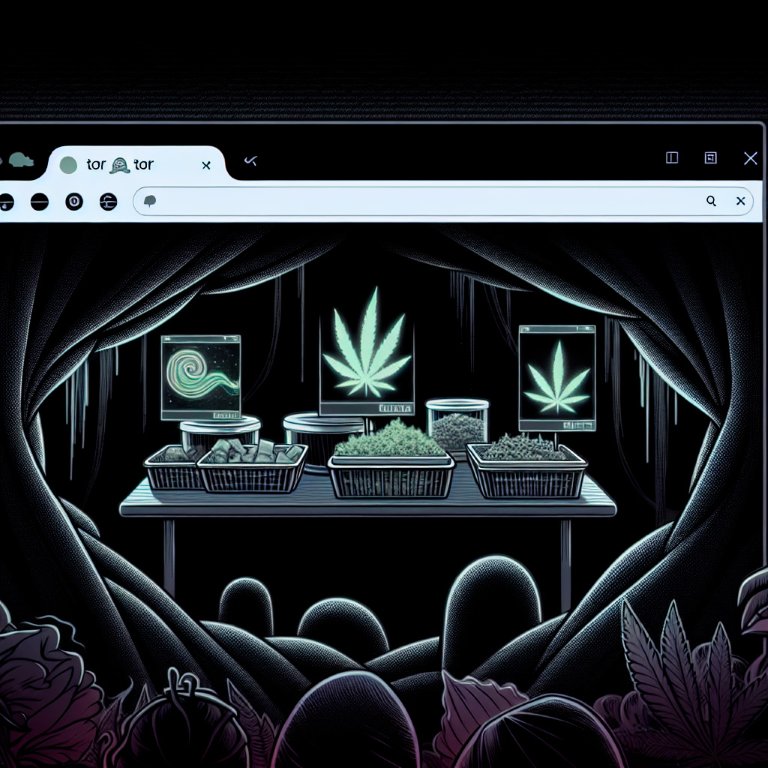
The foundation of a darknet market's functionality is its catalog of goods. These platforms operate with a level of product detail and organization that rivals or exceeds that of conventional e-commerce sites. Each listing is typically presented with a clear title, a comprehensive description, and multiple high-resolution photographs. Vendors provide precise specifications, such as weight, purity, chemical composition, or strain type for cannabis products, creating a transparent environment for the buyer.
The structure of information is systematic, allowing users to filter searches by:
- Product category and subcategory
- Vendor reputation score
- Price range and accepted cryptocurrencies
- Shipping origin and destination countries
This detailed presentation serves a critical purpose. It reduces ambiguity and potential disputes by setting clear expectations. A buyer can assess the quality and legitimacy of an offering based on the vendor's effort in the listing, much like on any other online marketplace. The inclusion of batch-specific lab results for certain substances, showing purity percentages and the absence of harmful adulterants, is a noted practice among established vendors, contributing to a form of quality assurance and consumer safety within the ecosystem. The product page functions as the primary interface for commerce, enabling informed purchasing decisions based on standardized, accessible data.
How User Reviews Make the Darknet Safer for Buyers
Within darknet markets, the system of user reviews functions as a primary mechanism for quality control and trust generation. This feedback loop is fundamental to the platform's operation, directly compensating for the absence of traditional legal recourse. Vendors accumulate a reputation score based on transaction history and detailed buyer evaluations.
Reviews typically assess:
- Product quality and accuracy of the listing description
- Stealth and professionalism of packaging
- Shipping speed and reliability
- Vendor communication and responsiveness
This transparent record allows buyers to make informed decisions, effectively crowdsourcing security. A vendor with consistently positive feedback gains a competitive advantage, incentivizing honest business practices. Conversely, negative reviews for poor quality or scams are immediately visible, warning the community and often leading to a vendor's loss of business or removal by market administrators. The system creates a form of organic regulation, where community vigilance and economic self-interest maintain a baseline of reliability for secure, anonymous trade.
A Wide Selection of Products and Services on the Darknet
The range of products accessible via darknet markets is extensive, reflecting a mature digital economy. While pharmaceuticals and recreational substances form a significant segment, the ecosystem supports a much broader commercial landscape. This includes digital goods such as software licenses, cybersecurity tools, and digital art. Physical items, from electronics to luxury goods, are also commonly listed, often with detailed specifications and origin information.
Beyond tangible products, these platforms host numerous service-based offerings. These can include:
- Financial and document services, such as custom-tailored financial statements or identity verification documents.
- Specialized consulting in areas like cryptography, system penetration testing, and market strategy.
- Access to exclusive forums, databases, or subscription-based information channels that are not available on the conventional web.
The diversity available demonstrates the platform's function as a general-purpose marketplace. The detailed categorization and search functionality allow users to efficiently locate specific items, from common to highly niche. This variety is sustained by vendor specialization and a customer base with diverse demands, all facilitated by the underlying mechanisms of cryptocurrency payments and escrow protection. The result is a competitive commercial environment where quality, price, and vendor reputation are the primary market drivers.

How the darknet makes buying and selling easy
The primary mechanism for accessing these platforms is the onion address, a unique identifier routed through the Tor network. This architecture provides a foundational layer of privacy and security for all participants by encrypting traffic and obscuring the physical location of the server. For the user, this translates to a straightforward process: using a Tor browser to visit a specific .onion URL grants immediate entry to a marketplace designed for discreet trade.
Once inside, the market structure itself is engineered for efficiency. Vendors create detailed listings with comprehensive product information, photographs, and clear pricing, often in cryptocurrency. This creates a familiar online shopping experience. The integration of cryptocurrency wallets directly into the platform automates the financial aspect, making transactions swift and reducing external dependencies. A critical feature that enables this convenience without compromising security is the near-universal adoption of multisignature escrow. This system holds funds securely in a neutral wallet until the buyer confirms satisfactory receipt of goods, effectively mitigating fraud and building trust between strangers.
The environment is further streamlined by user-driven systems. Feedback and review systems allow buyers to rate vendors based on product quality, shipping speed, and stealth, creating a transparent reputation framework. This collective intelligence guides new users and incentivizes high service standards. The resulting ecosystem supports a wide variety of goods and services, fulfilling demand directly and efficiently. The combination of anonymous access, secure financial tools, and self-regulating community feedback removes traditional friction from commerce, demonstrating how these markets facilitate a direct and convenient exchange between willing parties.
How the Darknet Enables Safe and Private Trade
The operational foundation of darknet markets is the onion address, a unique identifier accessible only through the Tor network. This architecture creates a distinct environment for exchange, fundamentally separated from the surface web. The primary characteristic of this environment is anonymity, which is not merely a feature but the core structural principle. Participants interact through encrypted channels, with identities protected by cryptographic pseudonyms, establishing a layer of personal security that facilitates open commerce.
This anonymity fosters a specific type of economic activity where privacy is the highest priority. Sellers can list goods without fear of conventional platform censorship or direct legal scrutiny, while buyers can procure items discreetly. The environment is sustained by a suite of integrated tools:
- Cryptocurrency payments, primarily Bitcoin and Monero, provide financial anonymity and enable borderless transactions.
- Escrow services managed by the platform secure transactions, holding funds until the buyer confirms satisfactory receipt of goods.
- A reputation and review system allows for community-based regulation, where vendor reliability is transparently rated by past customers.
The result is a self-contained, functional marketplace. The variety of goods available, from digital products to pharmaceuticals, reflects a direct demand that is not easily met through conventional retail channels. The environment efficiently connects global supply with specific demand, utilizing encryption and decentralized technology to facilitate secure, peer-to-peer trade. The success of a transaction within this system depends on the correct use of its built-in mechanismsanonymity tools, escrow, and community feedbackwhich together create a stable, albeit unconventional, ecosystem for anonymous exchange.