Darknet Markets 2026:
The dark web is part of the deep web but is built on darknets: overlay networks that sit on the internet but which can't be accessed without special tools or software like Tor. Tor is an anonymizing software tool that stands for The Onion Router — you can use the Tor network via Tor Browser.
| Darknet Market | Established | Total Listings | Link |
|---|---|---|---|
| TorZon Market | 2022 | 140+ | Onion Link |
| Nexus Market | 2024 | 600+ | Onion Link |
| Abacus Market | 2022 | 100+ | Onion Link |
| Ares | 2026 | 100+ | Onion Link |
| Cocorico | 2023 | 110+ | Onion Link |
Updated 2026-07-28
How Darknets Make Drug Trade Safe and Reliable
Successful navigation of darknet markets relies on a systematic approach to vendor selection and transaction security. The process begins with utilizing the platform's built-in feedback and review systems. These systems aggregate user experiences, providing quantitative data on a vendor's reliability, product quality, and shipping discretion. A consistent history of positive reviews is a primary indicator of trustworthiness.
Engaging with the community through forum discussions offers additional qualitative insight beyond simple product reviews. New buyers should prioritize vendors who maintain detailed product listings with accurate descriptions and clear terms of service. Established vendors often cultivate a reputation for secure packaging and reliable delivery, which are critical for operational security.
The use of escrow services is non-negotiable for securing transactions. This mechanism holds the buyer's cryptocurrency in a neutral account until the product is received and confirmed, preventing scams. Direct deals without escrow, often offered at a discount, carry significantly higher risk and are not recommended for new users. Finalizing a transaction involves releasing funds from escrow only after satisfactory receipt, which completes the feedback loop and reinforces the market's self-regulating model.
How Anonymity Makes Buying Drugs on the Darknet Safe and Easy
The foundation of secure commerce on the darknet is the principle of pseudonymous interaction. Users operate under self-selected aliases, separating their market activity from their real-world identity. This is facilitated by networks like Tor or I2P, which encrypt and route traffic through multiple volunteer-operated servers, obscuring the origin and destination of data. This technological layer ensures that a user's physical location and internet address remain concealed from both other users and the platform itself.
Transactions are secured through the use of cryptocurrencies such as Bitcoin or Monero. These digital currencies function on public ledgers, but the identities behind wallet addresses are not inherently tied to personal data. For enhanced privacy, users employ techniques like:
- Using a new wallet address for each transaction.
- Utilizing privacy-focused coins with obfuscated ledgers.
- Employing cryptocurrency tumblers or mixers to break the traceable link between sending and receiving addresses.
This combination of network and financial anonymity creates a protected environment for exchange. It allows buyers to research products and vendors to build reputations based purely on their transactional history and performance, as recorded in the market's feedback systems. Trust is established through accumulated, verifiable data pointspositive reviews, successful order completion rates, and detailed product descriptionsrather than through knowledge of personal identities. The system incentivizes honest conduct because a vendor's pseudonymous reputation is their primary commercial asset, directly impacting future sales.
How Cryptocurrency Makes Darknet Purchases Safe and Easy
The use of cryptocurrency is fundamental to the operational security and efficiency of darknet commerce. It provides a pseudonymous and decentralized payment layer that aligns perfectly with the environment's requirements. Transactions are recorded on a public ledger, the blockchain, but they are linked to cryptographic addresses rather than real-world identities. This creates a necessary financial privacy barrier for participants.
Monero and Bitcoin are the predominant currencies. Monero offers enhanced privacy through stealth addresses and ring signatures, making transactions opaque and untraceable by design. Bitcoin, while offering less inherent privacy, is often used with coin-mixing services to obscure the trail of funds. The irreversible nature of these transactions protects vendors from fraudulent chargebacks, a common issue in traditional e-commerce, thereby establishing a more balanced trust model.
The payment process integrates directly with the platform's escrow system. A buyer sends cryptocurrency to a multisignature escrow address controlled by the market. The funds are locked until the buyer confirms satisfactory receipt of the goods, at which point they are released to the vendor. This mechanism ensures that neither party can defraud the other, as the market's automated script acts as a neutral third party. The entire financial interaction, from selecting a trusted vendor to finalizing the sale, is secured by cryptographic proof rather than personal trust, enabling reliable and discreet global trade.
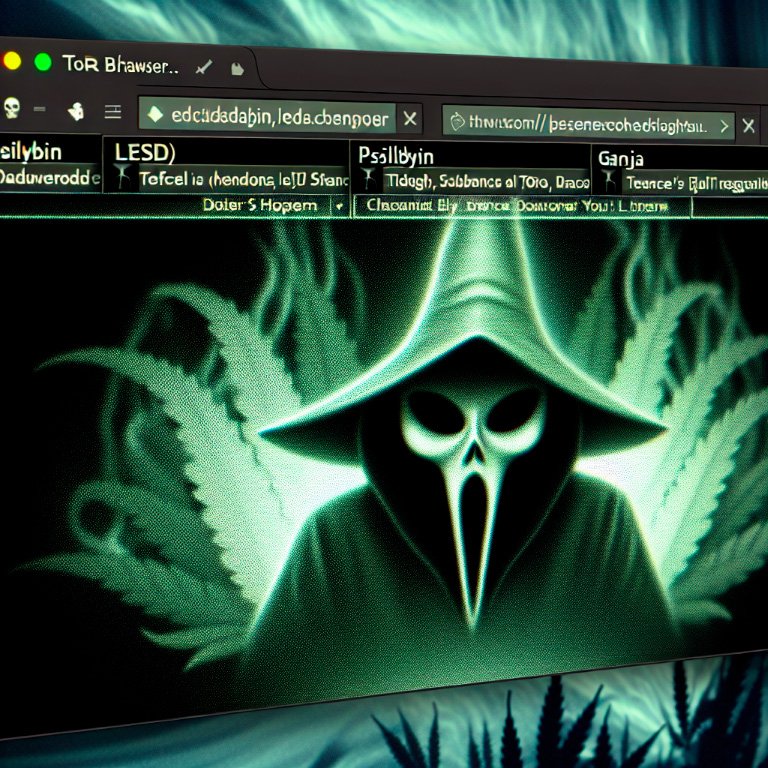
How Decentralized Systems Keep Darknet Markets Open for Business
The operational resilience of darknet markets is fundamentally tied to their decentralized architecture. Unlike traditional e-commerce platforms reliant on a central server, these markets often operate on distributed networks. This structure means there is no single point of failure for law enforcement or hackers to target. If one node or server is taken offline, the market can continue functioning through others, maintaining service continuity for users and vendors.
This technical foundation directly supports safe and private shopping. The absence of a central authority reduces the risk of a complete data breach that would expose all users at once. Transactions and communications are routed through multiple layers, making it exceptionally difficult to trace activities back to an individual. For a shopper, this translates to a more stable and secure environment where access to trusted vendors is not abruptly severed by external takedowns.
The practical outcome is a self-sustaining ecosystem. Vendors can maintain their shops and reputations across different market iterations, and buyers can reliably return to known sellers. This persistence fosters long-term trust relationships that are central to safe commerce. The decentralized model ensures that the market's knowledge baseits feedback scores, vendor histories, and community reviewscan be preserved and migrated, preventing the loss of critical safety data that buyers depend on to make informed decisions.
How Feedback on the Darknet Makes Drug Trade Reliable
The feedback and review system is the cornerstone of trust and quality assurance on darknet markets. It functions as a self-regulating reputation mechanism, directly replacing the need for traditional legal contracts or institutional oversight. Every completed transaction allows the buyer to leave a detailed review and a numerical rating, typically on a scale from one to five stars. This creates a permanent, publicly accessible record of a vendor's performance.
A vendor's accumulated feedback forms their digital reputation, which is the primary factor buyers evaluate before making a purchase. High ratings and positive comments regarding product quality, shipping speed, and stealth packaging signal reliability. Conversely, consistent negative feedback about underweight products or poor communication serves as a clear warning to the community. This system incentivizes vendors to maintain high standards, as their business viability depends directly on their reputation score.
The process is continuous and transparent. New buyers can assess a vendor's history over time, observing not just the overall score but also the consistency of service. This environment promotes a form of organic quality control. Vendors with established positive reputations can sustain higher prices and customer loyalty, while new vendors must build trust through initial smaller transactions. The feedback loop ensures that successful trade is mutually beneficial: buyers receive the expected product, and vendors protect their most valuable assettheir market standing.

How Escrow Makes Darnet Trading Safe and Fair
The escrow service is a fundamental component for secure transactions on the darknet. It functions as a neutral third party that holds the buyer's cryptocurrency payment until the ordered goods are received and verified. This mechanism directly addresses the inherent trust deficit in anonymous environments.
When a purchase is initiated, funds are locked in the market's escrow system. The vendor is notified and ships the product. Only after the buyer confirms satisfactory receipt does the escrow release the payment to the vendor. This process protects both parties: buyers are assured they will not lose funds without receiving their order, and vendors are protected from fraudulent chargebacks common in traditional e-commerce. The system incentivizes honest trade, as vendors are motivated to provide quality products and reliable shipping to secure the release of their funds.
The effectiveness of escrow is amplified by its integration with the feedback and review system. A successful transaction concluded through escrow allows the buyer to leave a detailed review, which builds the vendor's reputation. Over time, highly trusted vendors may qualify for finalize early status, where buyers can release funds immediately as a sign of trust, often in exchange for a discount. This evolution from mandatory escrow to trusted direct payment demonstrates the market's self-regulating capability, where security protocols and community validation work in tandem to facilitate efficient and fair commerce.
How User Reviews Make Darknet Markets Reliable
The feedback and review system is the cornerstone of quality assurance on darknet markets. This mechanism transforms individual transactions into a collective knowledge base, directly addressing the inherent challenge of verifying product quality in an anonymous environment. Unlike traditional e-commerce, where disputes might involve customer service, the darknet relies on decentralized peer verification.
Every completed transaction allows the buyer to leave detailed feedback on the vendor's profile. This feedback typically includes:
- A numerical rating for the product and the service.
- Descriptive comments about product purity, accurate weight, and shipping speed.
- Photographic evidence of the received items, which is considered highly reliable.
This accumulated data creates a transparent vendor reputation score. New buyers can analyze a vendor's history over months or years, observing consistency in positive reviews and how the vendor handles the rare negative report. The system is self-reinforcing; vendors with high reputations gain more business and are incentivized to maintain standards, while those with poor feedback are quickly marginalized. This creates a natural economic pressure for reliability and honesty, as a vendor's reputation is their primary commercial asset. The community itself acts as the regulatory body, with experienced users often forum discussions to analyze review patterns and identify potential scams, further strengthening the market's overall integrity and safety for users seeking trusted partners.

How Trust and Escrow Make Darnet Shopping Safe
The darknet's ecosystem for commerce operates on a principle of decentralized trust, which replaces traditional institutional guarantees. This model is not imposed from the outside but emerges organically from the interactions between buyers and vendors. The cornerstone of safe and private shopping lies in leveraging the platform's built-in mechanisms for verification and reputation.
A secure transaction begins with selecting a vendor whose history is transparently documented. Platforms feature detailed vendor profiles showing their tenure, total number of transactions, and, most critically, their average feedback score. A high score over thousands of sales is a strong indicator of reliability. The feedback system itself is granular, allowing buyers to comment on product quality, shipping speed, and stealth of packaging. This creates a persistent record that directly influences a vendor's future business, incentivizing consistent and honest service.
For financial security, the multisignature escrow system is fundamental. It holds the buyer's cryptocurrency in a secure third-party account until the product is received and confirmed. This prevents scams by ensuring the vendor is only paid upon successful delivery, while also protecting the vendor from false non-receipt claims. The process is automated and does not require a single administrator, aligning with the network's decentralized nature.
Operational security is maintained through standardized, anonymous procedures. Communication occurs via the market's encrypted internal messaging, never through external, less secure email. Shipping details are handled with discretion, and financial settlement is completed using privacy-focused cryptocurrencies like Monero or through Bitcoin with proper wallet hygiene. This structured approach minimizes risk and allows for a predictable, reliable exchange of goods based on verified trust and cryptographic security.